

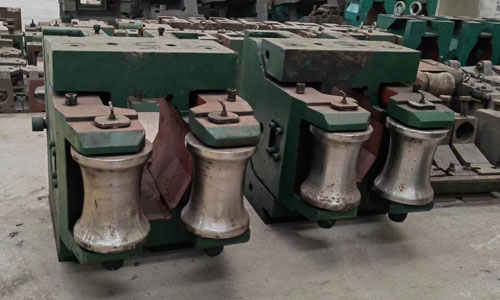
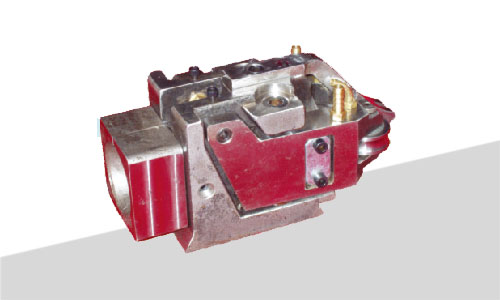
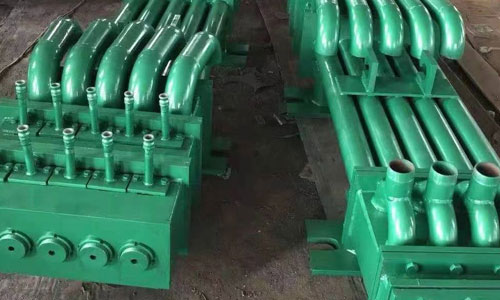
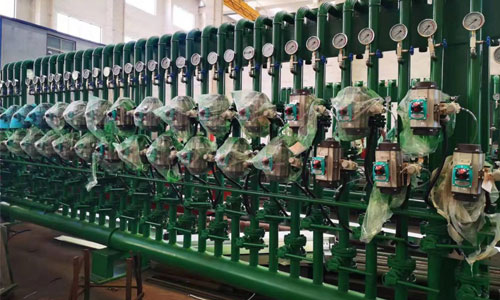
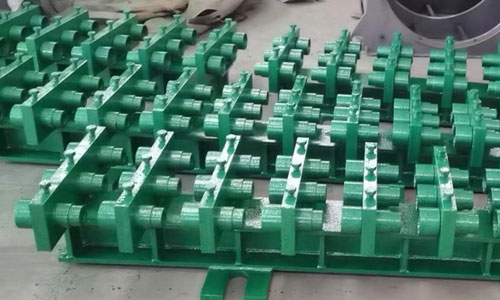
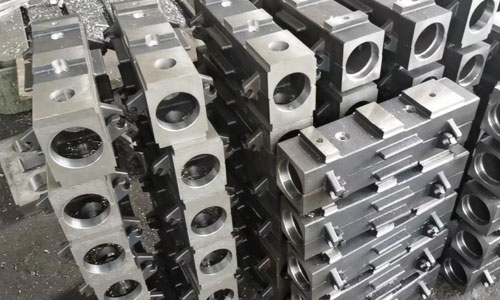
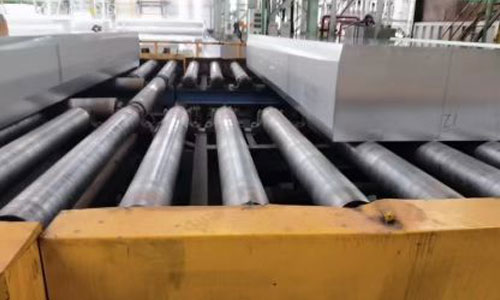
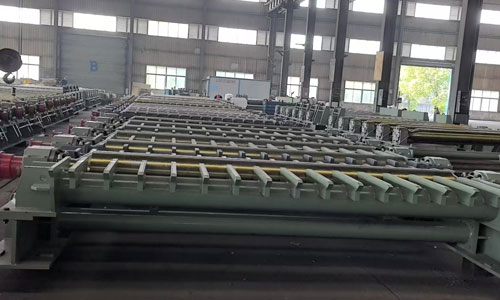
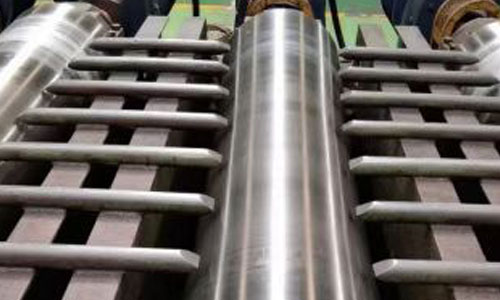
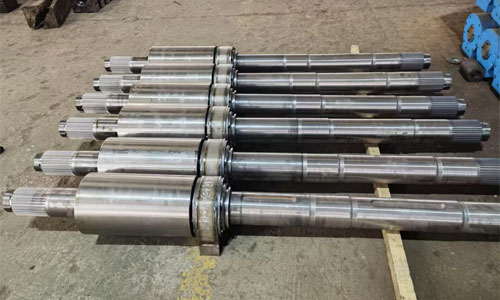
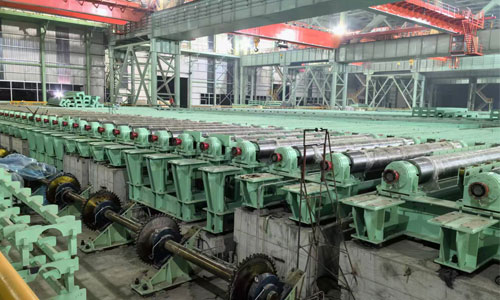
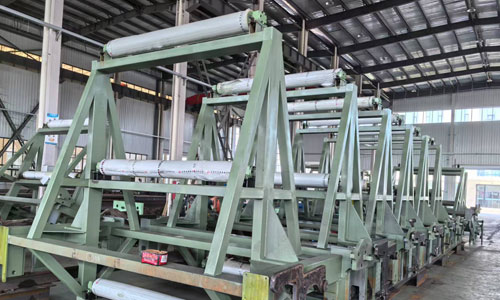
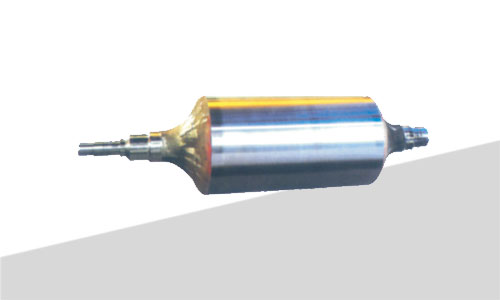
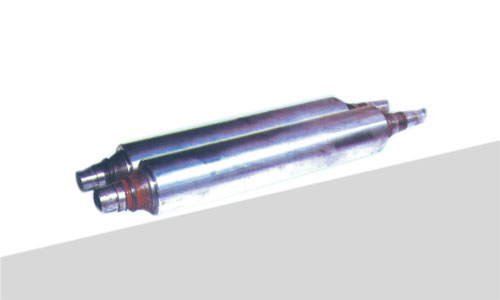
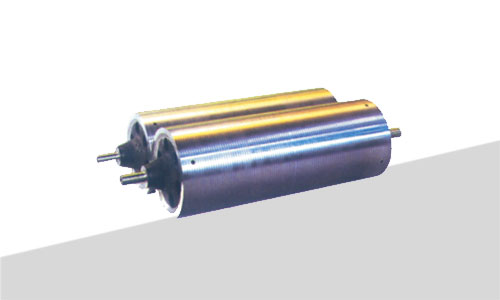
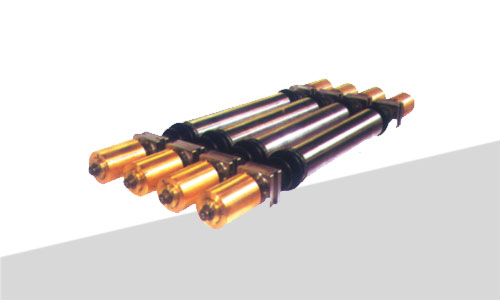
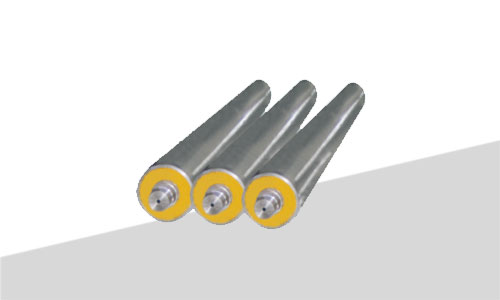
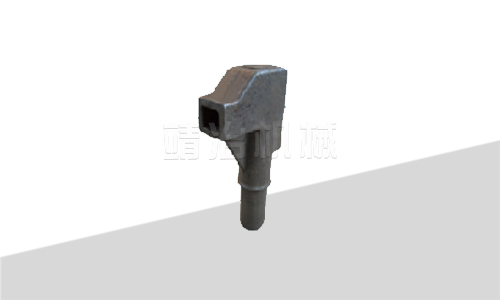
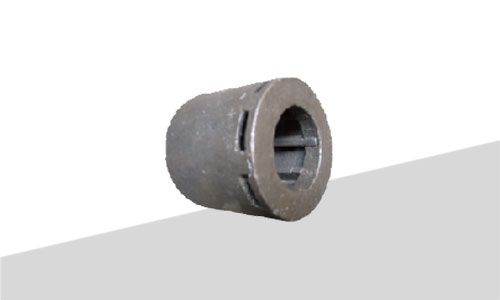
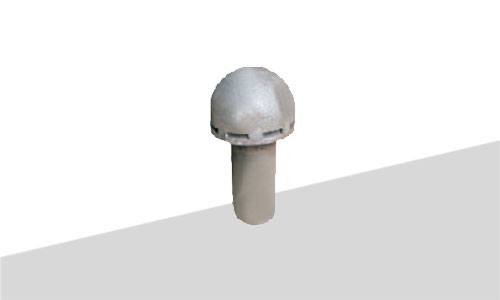

In the heat treatment production line for medium and heavy plates, roller hearth heat treatment furnaces are indispensable equipment. As the core component, the condition of the furnace bottom rollers directly affects the appearance quality and production efficiency of steel plates. However, in actual production, problems such as roller bending and breakage often occur, seriously affecting production progress and product quality. To address this challenge, Jingye Machinery's technical team has conducted in-depth research and practical exploration, successfully summarizing a set of effective treatment methods, providing strong guarantees for the safe and stable operation of the furnace bottom rollers.
1. Roll bending issues and their solutions
The phenomenon of roll bending can lead to the elevation of each roller surface not being on the same reference line, resulting in uneven load distribution across the rollers. This, in turn, can cause overloading of individual rollers, leading to cracks or even fractures. It can also result in steel plate deviation. The main causes of roll bending include prolonged downtime and overloading.
Long-term stalling: Situations such as widespread power outages, broken couplings, and inadequate lubrication can lead to long-term stalling of the furnace bottom roller, resulting in bending. In response, our company recommends arranging for personnel to manually rotate the furnace bottom roller when it stops due to widespread power outages, to prevent it from bending and deforming due to prolonged static placement. Additionally, during routine inspections, close attention should be paid to whether the coupling bolts are loose, whether the coupling itself has cracks, and whether the lubricant is in place, to ensure that the equipment is in good operating condition.
Overload: When continuously producing thick plates exceeding the designed thickness specifications, such as those thicker than 100mm, the furnace bottom rollers are prone to bending due to overload. To avoid such issues, our company emphasizes strict adherence to the equipment's design parameters during production, avoiding overload operations and ensuring that the furnace bottom rollers operate within a safe load range.
II. Roller Breakage Issues and Solutions
Roll breaks mainly occur in the preheating and heating sections of the furnace, with the main parts of the roll that break being the shaft head, shaft neck, and roll body. Roll breaks not only affect the production of thick plates but also easily lead to safety accidents. The main reasons for roll breaks are as follows:
Processing quality: To ensure the appearance quality and outer diameter dimensions, the processing factory typically performs turning at the weld seam. If the thickness of the turning is large, it can lead to chamfering at the edge of the machined surface and the non-machined surface of the journal. The chamfered area can produce a stress concentration zone, and when the stress is too high, roll breakage can occur. To address this issue, our company recommends eliminating or reducing the turning at the weld seam, or increasing the thickness of the roll body to enhance the overall strength of the joint area, thereby reducing stress concentration and the risk of roll breakage.
Temperature rise and fall: The fit between the roll body and the roll neck at the welding area is a clearance fit. Frequent temperature fluctuations can accelerate the formation of cracks at the welding area of the roll body and roll neck, ultimately leading to fracture. To address this issue, our company proposes to improve the fit dimensions of the roll body and roll neck, ensuring a tight combination and enhancing their crack resistance. At the same time, we strictly follow the oven curve for temperature rise, and implement cooling with the furnace bottom roll during furnace shutdown to reduce the impact of temperature changes on the furnace bottom roll.
In addition, once defective furnace bottom rollers are found, they should be replaced promptly to ensure the safety and stability of the production process.
Through the implementation of the above measures, Jingye Machinery has achieved remarkable results in addressing the issues of furnace bottom roll bending and roll breakage, effectively improving production efficiency, reducing production costs, and ensuring the smooth progress of steel rolling production. In the future, Jingye Machinery will continue to increase its investment in technological research and development, continuously improve product quality and performance, provide customers with higher-quality products and services, and contribute to the high-quality development of the steel rolling industry.